Disclosure: kittynex.com participates in affiliate programs. If you buy through a link on this page, we may earn a commission at no extra cost to you.
By Jason Feng, Founder & Researcher. See how this review was researched.
Quick answer
Scoop once a day. Change all the litter every two to four weeks for a single cat on clumping litter. Wash the box itself once a month, and sooner if it is covered, lined or scratched.
Automatic boxes replace the scooping, not the other two tiers. You empty a sealed drawer instead, typically once a week for one cat or twice a week for two, and you still clean the drum.
Those are starting numbers. Cat count, litter type and how fast your cat decides a box is unacceptable move them more than any calendar will.
Table of contents
- Three tiers, not one schedule
- Tier 1: scooping
- Tier 2: the full litter change
- Tier 3: washing the box
- The schedule, by number of cats
- Automatic boxes run on different clocks
- Where the published numbers disagree
- What to clean with
- Our verdict
- How we researched this
- Sources
Three tiers, not one schedule
"How often should I clean the litter box" is three questions stacked on top of each other, and the answers run on different clocks.
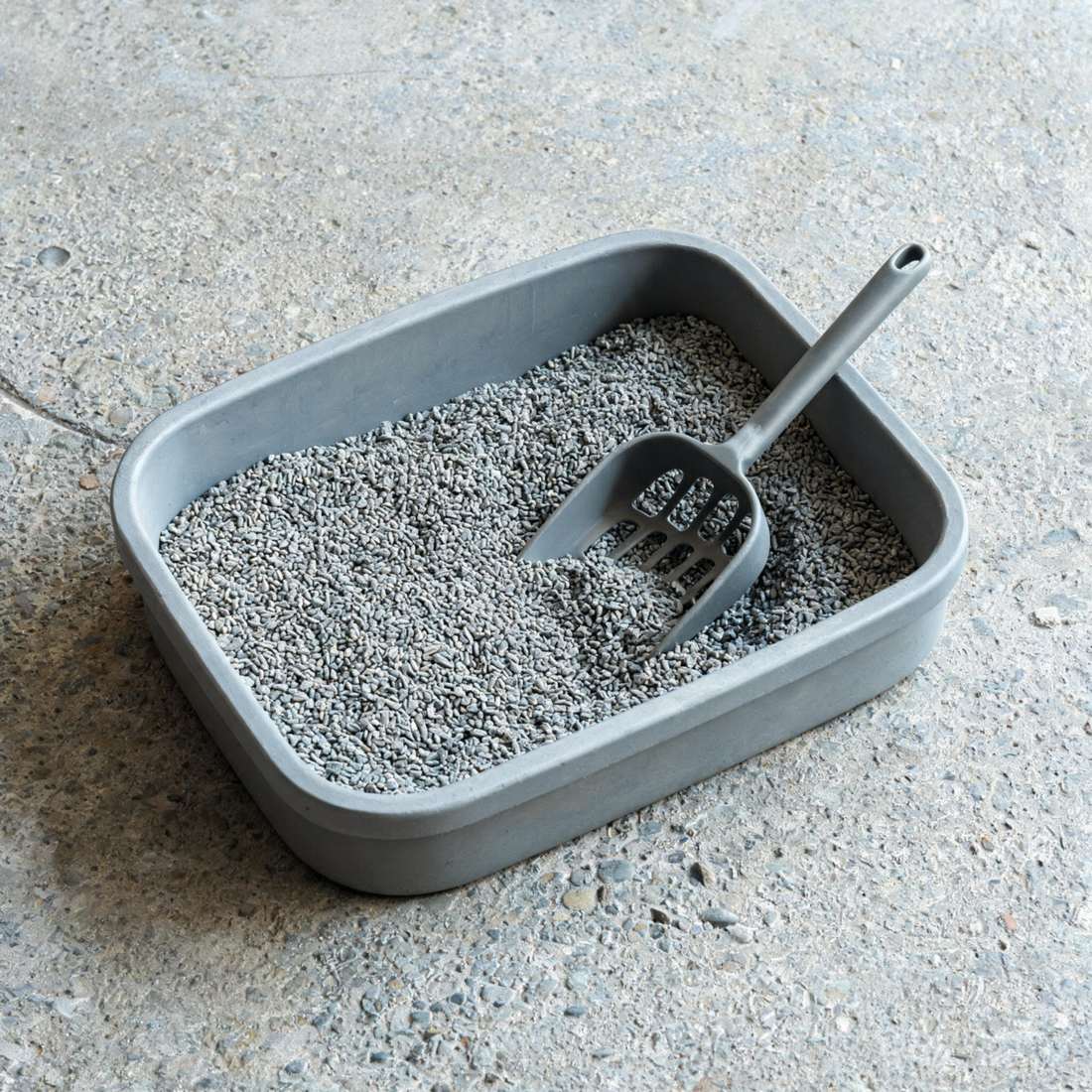
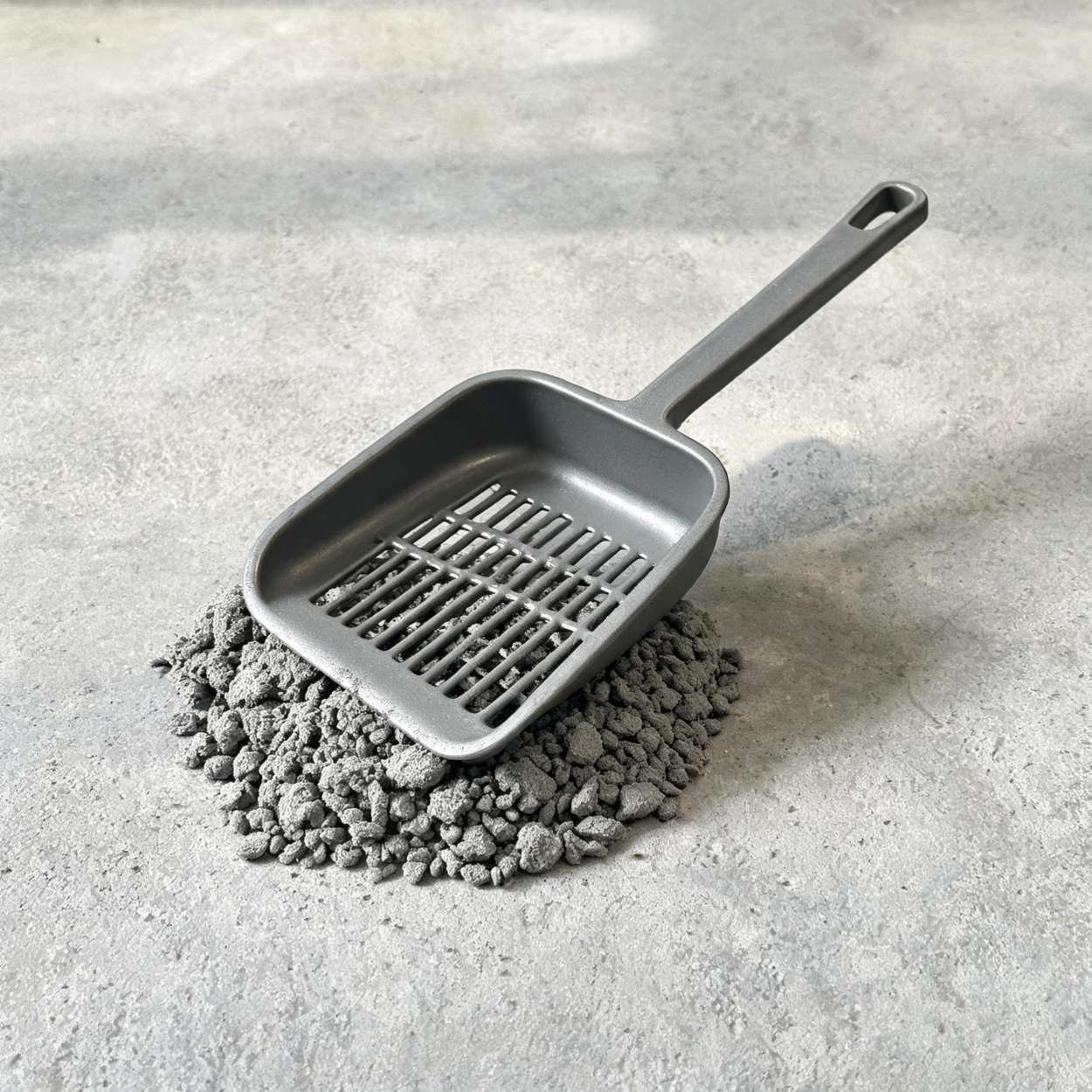
Scooping removes waste so the box stays usable. It is daily, and it decides whether the cat keeps using the box at all.
A full litter change dumps everything and refills. That is a weeks-scale job.
Washing the box itself handles the plastic, the seams and the underside of the rim. Urine gets into scratches, and scratches hold odor long after the litter is replaced. That is a months-scale job.
Manufacturers publish numbers for all three and they do not agree with each other. That disagreement is more useful than an average, so the sections below keep both sets in view. One structural point comes first: cleaning frequency is not a substitute for capacity. Three cats sharing one box is a box-count problem that no schedule fixes, and that arithmetic sits in our guide to how many litter boxes per cat.
Tier 1: scooping
Daily. Every source consulted for this article agrees, and it is the one interval with no real dispute.
The ASPCA puts it at "at least once a day" and frames the reason in plain terms: cats will not use a box that already contains waste, and the box gets abandoned before the smell becomes the complaint. Litter-Robot’s own guidance says scoop daily and scales that to every one to two days for a single cat, daily for two, and twice a day or more at four cats.
The failure mode is worth knowing because it is not cosmetic. A cat that avoids a soiled box may hold urine for longer, and concentrated urine is where the early signs of urinary problems show up. Daily scooping is cheap insurance against a vet bill.
Practical line: one cat and one box can survive every other day. Two cats sharing a box, or any cat with a urinary history, makes daily the floor rather than the target.
Tier 2: the full litter change
This is where the published advice splits widest, and the split is about litter type rather than disagreement about the physics.
Litter-Robot’s guidance pairs one cat with a full change every two to four weeks, compressing toward weekly as cats are added. It notes that clumping litter supports the longer end because the urine load leaves with the scoop, while non-clumping litter holds everything in place and needs more frequent changes without publishing a number for it.
The ASPCA’s position is closer to weekly: dump everything, wash with a mild detergent and refill at least once a week, with the caveat that clumping litter stretches the interval.
Both descriptions are defensible, and they are describing different jobs. A clumping box that is scooped daily keeps a usable litter bed for weeks. A non-clumping box is a dump-and-refill routine by design.
One sensory test overrides the calendar in both directions. If ammonia returns within a day of scooping, the litter is spent and the plastic underneath may be as well. Our odor control guide separates the litter layer from the carbon layer from the enclosure, because those are three different fixes and only one of them is a schedule change.
Tier 3: washing the box
Scooping and litter changes leave the box itself untouched, and that is the tier people skip.
Plastic scratches, and urine enters the scratches. The result is a box that smells wrong minutes after a fresh refill. Litter-Robot recommends an enzyme cleaner or mild dish detergent monthly for a single-cat home, and its frequency table tightens that to every three to four weeks at two cats, three weeks at three cats, and two weeks at four.
The ASPCA pairs the wash with the weekly litter change and specifies unscented soap or baking soda, with a warning against bleach. It also gives a replacement interval most owners have never considered: fully replace litter boxes about every two years, sooner if the plastic is deeply scratched or the box serves several cats.
The gap between monthly and weekly is about the box, not the cat. A large open pan with no lid, no liner and no deep scratches tolerates a monthly wash. A covered box, a lined box or an old scratched box holds more odor in more surfaces with less airflow, and wants the tighter schedule. The three tiers above sit alongside the floor numbers in our guide to how often to clean a litter box.
The schedule, by number of cats
Litter-Robot’s support documentation carries the most detailed public table in this category. Here it is as published.
Table 1. Cleaning frequency by household size, from Whisker’s support documentation.
| Cats | Empty the waste drawer | Spot clean | Deep clean |
|---|---|---|---|
| 1 | every 2 weeks | every month | every 3 months |
| 2 | every week | every 2 weeks | every 2 to 3 months |
| 3 | twice per week | every other week | every other month |
| 4 | every other day | every week | every month |
The same company’s own article text gives slightly different drawer guidance, noting that once per week is usually sufficient for a single cat and twice per week for two average cats. Both figures appear on Whisker’s site, so treat the table as the outer limit and the text as the typical case. For a household at four cats, the honest summary is that scooping becomes a twice-daily job and the box gets washed monthly.
For a traditional box, the same scaling applies with one addition. The ASPCA’s rule is one more box than you have cats, which changes how often each individual box is hit rather than how often you clean.
Automatic boxes run on different clocks
An automatic box does not remove the work. It moves it onto different clocks and different surfaces.
Scooping collapses into a single action, emptying a sealed drawer or bin. The litter-change tier mostly disappears, because a sifting drum returns clean litter and keeps the clumps. The deep-clean tier stays, and it is the one buyers underestimate.
Table 2. What each tier becomes on an automatic box.
| Tier | Traditional box | Automatic box | Manufacturer figures |
|---|---|---|---|
| Waste removal | Scoop daily | Empty the drawer | Litter-Robot: 7 to 10 days for one cat; PETKIT: 15 to 20 days |
| Litter change | Every 2 to 4 weeks | Largely unnecessary | Not published as an interval |
| Box wash | Monthly | Drum deep clean | Whisker: globe every 1 to 3 months, deep clean at least every 3 months |
| Wear parts | Replace the box every 2 years | Filters, pads, odor modules | Varies by brand and cadence |
The drawer figures deserve a second look because they are the ones owners plan around. Whisker rates the Litter-Robot 4 at up to 8 days and the Litter-Robot 5 at up to 10 days between empties for a single cat. PETKIT rates the Purobot Max 3 at up to 15 days on a 7 L bin, the Max Pro 2 at up to 17 days on an 8 L bin, and the Purobot Ultra at up to 20 days on a 10 L bin. Petlibro rates the Luma at up to 7 days of waste for two cats.
Two caveats come directly from the manufacturers. PETKIT recommends packing waste more frequently in hot and humid conditions, which shortens the practical interval in a warm room. And Litter-Robot’s drawer is a sealed compartment, so the waste sits and decomposes between empties regardless of the reading.
The cleaning half of the job is documented in detail by each brand, and the PETKIT steps in particular are covered in our PETKIT litter box cleaning guide. One environment variable applies to every machine: match the litter to the sifting mechanism. The compatibility lists are in our guide to the best litter for automatic boxes.
Where the published numbers disagree
Worth seeing side by side, because most schedule advice online quotes one row and drops the rest.
Table 3. Published intervals, as stated by each source.
| Source | Scoop | Full litter change | Wash the box |
|---|---|---|---|
| ASPCA, litter box problems | at least once a day | weekly, with each wash | weekly |
| ASPCA, general cat care | at least once a day | at least once a week, longer with clumping litter | weekly |
| Litter-Robot blog | daily | every 2 to 4 weeks, clumping | monthly with enzyme cleaner |
| Litter-Robot support table | scales to twice daily at 4 cats | not published by cat count | monthly to monthly-plus |
Behavior-focused veterinary guidance tends to treat cleanliness as a condition rather than a schedule. The framing is that a box must be clean, accessible and separate from feeding areas, and the interval is left to the household. That position is fair: no published table knows how quickly your particular cat decides a box has become unacceptable.
What the sources do not do is disagree about mechanism. Waste that sits produces odor, plastic that is scratched holds odor, and a box that smells is a box a cat may avoid. Only the calendar is in dispute.
What to clean with
The cleaning agent list is short and the exclusions matter more than the inclusions.
Plain unscented soap or baking soda covers most washes. An enzymatic cleaner is the right tool when urine has set into plastic, because it breaks down the compounds rather than masking them. A one-to-one vinegar and water mix is a common alternative for residue.
Three things to leave off the shelf. Bleach, because it damages plastic and the residue is aversive. Ammonia-based cleaners, because urine already contains ammonia and the scent reads as a marker rather than a clean surface. Scented cleaners, because a strong scent on the box is a reason for some cats to stop using it.
Two more habits belong in the routine. Wear gloves, and dry every part completely before it goes back together. Moisture in a sensor-heavy automatic box is a repair, not a smell, and a damp litter bed clumps into a solid mass rather than a siftable one.
Our verdict
Scoop daily, change the litter every two weeks for a single cat on clumping litter, and wash the box monthly. Those three numbers sit between the strictest and the loosest published guidance and cover most single-cat homes.
On an automatic box, the same tiers apply with one substitution. Empty the drawer on Whisker’s one-week figure for a single cat and plan around PETKIT’s longer bins only if your home stays cool and dry. The deep clean, at least once every three months, is the tier owners skip and then complain about.
For three or more cats on manual boxes, the published schedule is not gentle: scooping becomes twice daily and the full litter change becomes weekly. Our recommendation for that household is to automate the waste-removal tier and keep more plain boxes than feels necessary, because the machine solves freshness and the extra boxes solve access.
What we would not do is cut the box count because cleaning got easier, or treat the deep clean as optional because the machine is self-cleaning. Both shortcuts surface later as the same complaint.
How we researched this
- Manufacturer documentation first. Every frequency and capacity figure here comes from a page fetched directly: Whisker’s cleaning-frequency table, waste-drawer, globe-cleaning and litter-change articles, and PETKIT’s and Petlibro’s litter box product pages.
- Veterinary and welfare sources, quoted. ASPCA’s litter box problems and general cat care pages supplied the daily scooping position, the unscented-soap guidance, the no-bleach warning and the two-year replacement interval.
- Disagreement reproduced rather than averaged. Where the ASPCA and Whisker publish different intervals, both appear with attribution instead of a blended number.
- Brand numbers labeled as claims. Waste-duration ratings are manufacturer figures tied to a machine and a cat count, and they are presented that way.
- Gaps marked. Where no full-litter-change interval exists for automatic boxes, or no per-cat-count drawer figure is published, the text says so.
See our full methodology page for how we handle sourcing and affiliations.
Sources
- https://www.litter-robot.com/blog/how-often-to-change-cat-litter/
- https://www.litter-robot.com/blog/how-to-clean-a-litter-box/
- https://www.litter-robot.com/blog/how-to-clean-automatic-litter-box/
- https://www.litter-robot.com/support/article/litter-robot-4-ongoing-maintenance/
- https://www.litter-robot.com/support/article/how-often-do-i-need-to-empty-the-waste-drawer/
- https://www.litter-robot.com/support/article/how-often-do-i-have-to-clean-the-inside-of-the-globe/
- https://www.litter-robot.com/litter-robot-4.html
- https://www.litter-robot.com/litter-robot-5.html
- https://www.petkit.com/products/purobot-max-pro-2-automatic-cat-litter-box-with-ai-camera
- https://www.petkit.com/products/purobot-ultra
- https://www.petkit.com/collections/automatic-cat-litter-box
- https://www.petlibro.com/products/luma-smart-litter-box
- https://www.aspca.org/pet-care/general-pet-care/addressing-litter-box-problems
- https://www.aspca.org/pet-care/cat-care/common-cat-behavior-issues/litter-box-problems